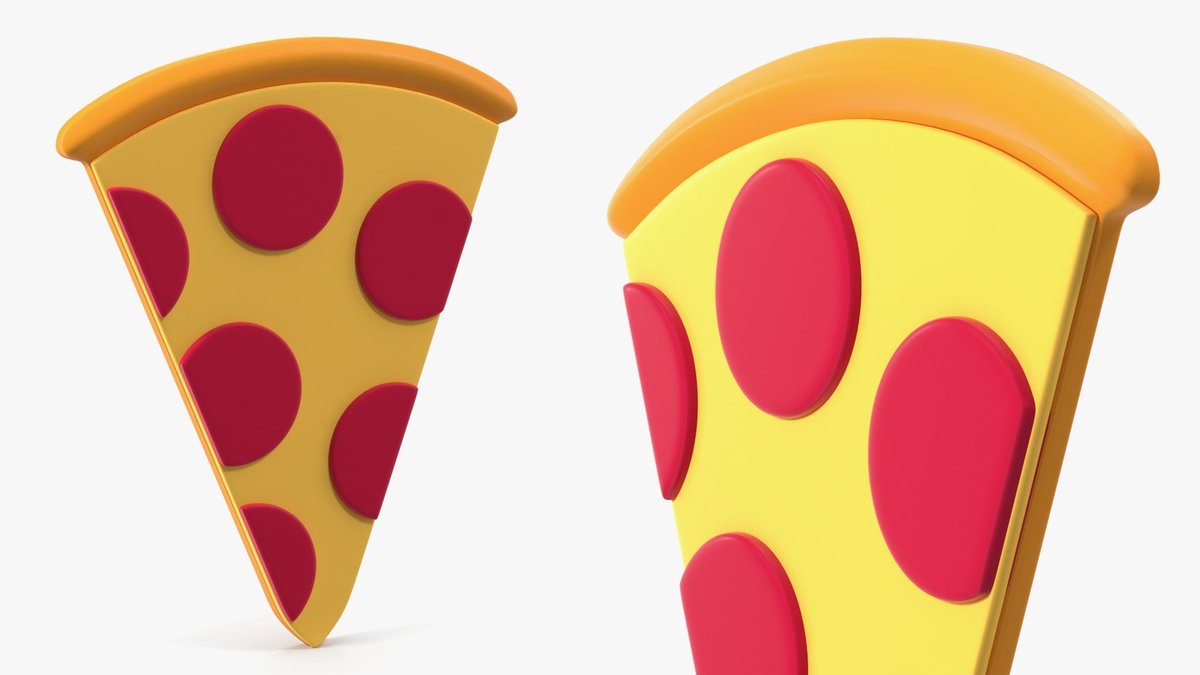
The aroma of a freshly baked pizza is universally enticing, a signal for gathering, comfort, and pure, unadulterated joy. But what about its digital doppelgänger? The humble pizza emoji, a staple in our text messages and social media feeds, carries far more weight and meaning than just pepperoni and cheese. Unpacking the History & Evolution of the Pizza Emoji reveals a fascinating journey from a simple food icon to a complex symbol of human connection, or sometimes, disconnection.
In our always-on digital world, emojis have become a sophisticated shorthand, and few are as versatile or as beloved as the pizza slice. It's not just about expressing a craving; it's about conveying mood, context, and even subtle psychological states. Ready for a deep dive into this deliciously complex icon?
At a Glance: The Pizza Emoji's Surprising World
- Birth of an Icon: Officially named "Slice of Pizza," it joined the Unicode Standard in 2010.
- Beyond the Bite: While it primarily means pizza, it also symbolizes food, casual gatherings, relaxation, and enjoyment.
- Context is Everything: Its meaning shifts dramatically based on who sends it, to whom, and why—from a simple food choice to a nuanced expression of connection.
- Success Story: Its simple design makes it instantly recognizable and broadly applicable across cultures.
- Misinterpretations Happen: It can be insensitive (e.g., to someone on a diet) or overly casual in certain contexts, so mindful use is key.
- More Than Meets the Eye: The pizza emoji can sometimes mask deeper emotions like loneliness or anxiety, especially within social media's culture of perfection.
- Reflect & Connect: Using emojis authentically requires self-reflection to ensure they enhance, rather than hinder, genuine digital communication.
More Than Just a Slice: Decoding the Pizza Emoji's Origin Story
Let's face it: our digital conversations would be a lot blander without emojis. They inject personality, tone, and a dash of visual flair into otherwise flat text. Among the earliest culinary icons to grace our screens was the pizza emoji. It was officially added to the Unicode Standard in 2010, marking a pivotal moment in the evolution of digital communication.
Officially designated as "Slice of Pizza," this emoji wasn't just a whimsical addition. Its inclusion reflected a growing need for a richer visual lexicon, especially for universally recognized concepts like food. Think about it: pizza is a global phenomenon. From New York to Naples, Tokyo to São Paulo, a slice of pizza often signifies something familiar, comforting, and shared. This widespread appeal made it an ideal candidate for a universally understood visual symbol, helping bridge language barriers and express common human experiences. It quickly became a cornerstone in the expanding digital menu, ready to represent far more than just its cheesy, saucy self.
A Universal Language? What the Pizza Emoji Truly Means
The genius of the pizza emoji lies in its elegant simplicity and profound versatility. At its core, yes, it represents pizza. You send it, and you're likely thinking about, craving, or consuming pizza. But like any good conversationalist, it has layers. Beyond the primary meaning, the pizza emoji has blossomed into a symbol for a whole host of related concepts:
- Food: Often, it's a stand-in for "I'm hungry," "Let's eat," or "What's for dinner?"
- Casual Gatherings: Pizza nights are synonymous with relaxed get-togethers, making the emoji a perfect shorthand for inviting friends over or reminiscing about good times.
- Relaxation & Comfort: There’s something inherently comforting about a pizza. It’s often associated with unwinding after a long week, movie nights, or simply enjoying a moment of ease.
- Enjoyment & Celebration: Whether it's a birthday party or a successful project, pizza often marks a celebratory occasion, making its emoji counterpart a visual high-five.
The true magic, however, lies in its contextual flexibility. A pizza emoji from a friend might mean "Let's grab a slice after work," while one from your partner could signal "Cozy night in with Netflix and a pie." It seamlessly transitions from a simple food preference to a complex expression of connection, driven entirely by the sender's intent and the shared understanding between communicators. This remarkable adaptability is precisely why it has resonated so deeply across cultures and languages, becoming an instantly recognizable and broadly applicable icon. To really appreciate its journey and impact, you might want to [deep dive into the pizza emoji's journey].
The Art of Interpretation: Platform Variations and Cultural Nuances
Just like real pizzas, emoji pizzas come in many styles. While the underlying concept remains the same, the visual design of the "Slice of Pizza" emoji varies significantly across different platforms. Apple’s rendition might feature a slightly thicker crust and minimalist toppings, while Samsung’s could boast more vibrant colors and a distinctly different cheese pull. Google's version might be angled differently, and Microsoft's could lean towards a more stylized appearance. These design variations aren't arbitrary; they reflect the evolving aesthetic preferences and design languages of each tech company, offering subtle nuances without compromising the emoji's core meaning.
However, this broad applicability comes with a crucial caveat: the potential for misinterpretation. While the pizza emoji generally conveys positive vibes, it's not a one-size-fits-all solution. Consider these scenarios:
- Dietary Sensitivities: Sending a pizza emoji to someone on a strict diet or with specific dietary restrictions could be perceived as insensitive or thoughtless. It’s a gentle reminder that not everyone shares the same relationship with food.
- Cultural Formality: In some cultures or professional settings, using an emoji—especially one associated with casual dining—might be seen as overly informal or even disrespectful. While digital communication has loosened up, a quick check of your audience and context is always a good idea.
The key here is mindful consideration. Before you hit send, take a moment to consider the receiver and the context of your message. Is this emoji likely to be well-received? Does it accurately convey your intended meaning without any potential for misunderstanding? This small act of reflection ensures your digital communication is both effective and empathetic. For those eager to [delve into the fascinating world of pizza emoji meanings], understanding these nuances is paramount.
Beyond the Surface: The Pizza Emoji's Deeper Psychological Layers
Here's where the pizza emoji gets really interesting, veering into the psychological landscape of our digital lives. While it's a common symbol of conviviality and shared joy, it can sometimes mask deeper, more complex emotions. Think about it: in the realm of social media, where a culture of perfection often dictates what we share, emojis like the pizza slice can become part of an idealized digital identity.
We curate our online selves, presenting a version that's always happy, always surrounded by friends, always enjoying the "good life." Sending a pizza emoji to announce a "pizza night" might genuinely reflect a joyful moment, but for some, it could be a subtle attempt to project an image of social engagement or relaxation that isn't entirely authentic. It can mask feelings of loneliness, anxiety, or even simple boredom, creating a facade of contentment.
Psychologically, emojis can serve several roles:
- Filling Emotional Voids: They can provide a quick, easy way to express emotions or connect when actual verbal communication feels too demanding or vulnerable.
- Strengthening Bonds: When used authentically, they can indeed reinforce shared experiences and inside jokes, enhancing digital rapport.
- Exacerbating Discomfort: Conversely, the pressure to conform to online positivity can make people feel worse if their real-life experiences don't match the emoji-laden perfection seen on their feeds. This can lead to unrealistic expectations, both for ourselves and for others.
This isn't to say your pizza emoji is always a cry for help. Far from it! But it highlights the importance of self-reflection in our emoji usage. Are you using it to genuinely express a feeling, or is it part of an unspoken pressure to perform happiness online? Understanding this distinction is vital for maintaining online authenticity and encouraging transparency in digital communication. If you're looking to [better understand the nuances of the pizza emoji], considering its psychological weight is a great place to start.
Mastering the Digital Menu: Best Practices for Using the Pizza Emoji
Like any powerful communication tool, the pizza emoji is most effective when used thoughtfully. It's about knowing when to send it, and perhaps more importantly, when to pause. Here’s some practical guidance to ensure your pizza emoji always lands perfectly:
When to Embrace the Slice:
- Celebrating Success: After a big win, project completion, or even just making it through a tough week, a pizza emoji can be a lighthearted way to suggest a well-deserved treat. "We nailed it! 🍕"
- Suggesting a Casual Meet-up: It's an instant invitation for informal gatherings. "Movie night at my place? Bring the snacks, I'll order the 🍕!"
- Expressing Comfort or Solidarity: Sometimes, a friend needs a virtual hug and a comforting thought. "Rough day? Sending you virtual 🍕 and good vibes."
- Sharing a Craving: Simply expressing a desire for the real thing. "All I can think about is 🍕 right now!"
- Announcing a Pizza Order: Letting others know what's coming. "Dinner's on its way! 🍕"
When to Pause and Ponder:
- Formal Communication: A professional email to your boss or a client is rarely the place for a pizza emoji, no matter how friendly your relationship. Stick to words that convey professionalism.
- Sensitive Situations: If someone is discussing a difficult personal issue, dealing with illness, or on a restricted diet, a pizza emoji can feel dismissive or out of touch. Read the room (or the chat!).
- Misinterpretations Possible: If there's any doubt about how your message might be received, err on the side of clarity and use words instead. Avoid ambiguity, especially when important feelings are at stake.
Tips for Thoughtful Usage:
- Know Your Audience: Consider your relationship with the receiver. Is this person someone you typically use emojis with? Do they appreciate casual digital communication?
- Consider Your True Intent: What emotion or message are you really trying to convey? Is the pizza emoji the clearest and most authentic way to express it?
- Combine for Clarity: If you're worried about misinterpretation, pair the emoji with a clear, concise sentence. "Thinking of you after your long day, hope you can relax with some pizza later! 🍕"
- Reflect on Frequency: Overusing any emoji can dilute its impact. Use it judiciously to maintain its charm and effectiveness.
By taking these small steps, you can ensure your pizza emoji use is not only fun but also genuinely communicative and respectful.
Frequently Asked Questions About the Pizza Emoji
The pizza emoji may seem straightforward, but its nuances often spark questions. Here are some common queries and their crisp answers:
Is there a "whole pizza" emoji?
No, surprisingly, the official emoji is specifically a "Slice of Pizza." While many might wish for a full pie, Unicode chose the slice for its iconic recognition and easier rendering across various sizes. You'll often see multiple slices arranged together to visually represent a whole pizza, but it’s not a single emoji.
When was the pizza emoji released?
The "Slice of Pizza" emoji was officially added to the Unicode Standard in 2010 as part of Emoji 1.0. This makes it one of the earlier food emojis to gain widespread adoption.
Can the pizza emoji really mean something negative?
While generally positive, yes, it can. If used insensitively to someone on a strict diet, or inappropriately in a formal context, it can be perceived negatively or as disrespectful. It can also subtly mask feelings like loneliness if used to project an idealized online image. Context and receiver awareness are crucial.
How has its design changed over time across platforms?
The core concept remains consistent, but design variations are common. Early versions might have been more simplistic, while newer designs often feature more realistic textures, varied topping distributions, and different crust styles (e.g., thick vs. thin, bubbly vs. flat). Each platform (Apple, Google, Samsung, etc.) maintains its own distinct aesthetic, contributing to the emoji's evolving visual journey.
Why is the pizza emoji so popular?
Its popularity stems from several factors: its universal appeal as a food, its association with positive social activities (gatherings, celebrations), its simplicity in conveying complex moods (comfort, craving, relaxation), and its broad cultural relevance which transcends language barriers. It’s an emoji that speaks to many shared human experiences. You can [Explore the pizza emoji] further to see just how versatile it is.
Your Slice of Authenticity: A Call to Self-Reflection
From its humble beginnings as a Unicode character in 2010 to its current status as a digital workhorse, the pizza emoji has carved out a unique place in our digital lexicon. It’s a testament to how visual language can evolve, reflecting our shared human experiences, desires, and even our anxieties. What began as a simple "Slice of Pizza" has become a powerful symbol, capable of conveying everything from a casual craving to a complex psychological state.
But with great communicative power comes great responsibility. The journey through the History & Evolution of the Pizza Emoji ultimately leads us back to ourselves. Are we using these ubiquitous icons to truly connect, or are we letting them create a veneer of perfection? Are we mindful of our audience and context, or are we just hitting send without thought?
Embrace the pizza emoji, use it to celebrate, to comfort, to invite, but do so with intention. Let your digital communication, enhanced by these delightful symbols, be a true reflection of your authentic self. After all, the most satisfying slice isn't just about the toppings; it's about the genuine connection it fosters.
Untuk pemahaman lebih lengkap, baca panduan utama kami: Explore the pizza emoji