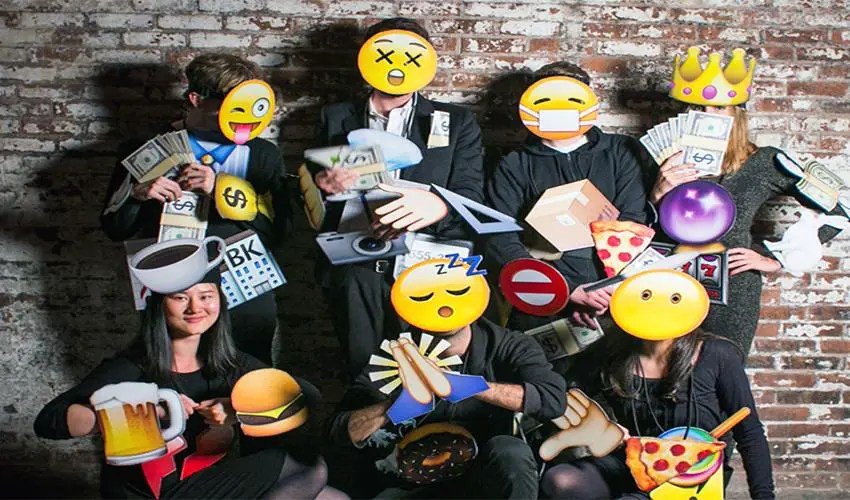
Imagine ordering a pizza with a single tap, a quick emoji, and nothing more. That's the power of the 🍕 emoji in modern brand engagement, a prime example of how digital shorthand can translate into significant sales, as Domino's famously demonstrated. In today's hyper-connected world, Marketing & Brand Engagement with the 🍕 Emoji isn't just a playful gimmick; it's a strategic imperative that streamlines communication, builds emotional connections, and measurably boosts business outcomes. This little slice of digital iconography has become a potent symbol, cutting through the noise and delivering messages with a punch that words alone often can't match.
At a Glance: Key Takeaways
- Emojis are Essential: Over 10 billion emojis are sent daily, with 92% of online users embracing them, making them critical for modern communication.
- Emotional Connection: Emojis help brands convey personality, emotion, and cultural relevance, humanizing digital interactions.
- Dominos Masterclass: The 🍕 emoji fueled Domino's "tweet-to-order" system, driving over half a million pizza orders and a 10% sales increase.
- Beyond Pizza: Brands like Bud Light, Burger King, Pepsi, and Coca-Cola have used emojis for campaigns ranging from custom keyboards to QR code promotions and physical packaging.
- Best Practices: Effective emoji marketing hinges on conveying genuine emotion, simplicity, brand relevance, cultural awareness, audience understanding, and consistent A/B testing.
- Future-Proof Your Strategy: Emojis will continue to evolve, requiring marketers to stay adaptable and understand deepening symbolic meanings and new expressive technologies.
The Power of the Pixel: Why Emojis Matter in Modern Marketing
We live in a visually driven world, where attention spans are fleeting and authentic connections are gold. Emojis, once dismissed as frivolous, have rapidly evolved into a universal language, transcending linguistic barriers and adding a vital layer of emotional context to our digital interactions. They're more than just cute icons; they are powerful tools that, when wielded correctly, can transform how brands connect with their audiences.
Think about it: over 10 billion emojis fly across digital channels every single day. An astonishing 92% of the global online population uses them, navigating an expanding library of over 3,600 characters. These aren't just statistics; they're indicators of a profound shift in communication. Emojis make messages more engaging, memorable, and shareable. They visually break up text, convey nuanced emotions, and inject personality, making brands feel inherently more human and approachable. Studies consistently show that incorporating emojis can significantly boost email open rates and social media engagement. This isn't just about fun; it’s about cutting through the digital clutter and truly reaching people where they live and breathe online.
Beyond Words: The Psychology of Emoji Engagement
Why do these tiny pictograms wield such significant influence? The answer lies in psychology. Emojis tap into our innate human need for visual communication and emotional expression. Before written language, we communicated through images; emojis bring us full circle, offering a shorthand that our brains process far quicker than text.
When you see a ���, you instantly register happiness. A ❤️ conveys love or approval. These aren't just symbols; they are micro-expressions that bypass the analytical part of the brain and go straight to the emotional core. For brands, this means:
- Emotional Resonance: Emojis allow you to convey brand personality – friendly, quirky, empathetic, exciting – without saying a word.
- Enhanced Readability: They break up blocks of text, making content easier to scan and digest, which is crucial for mobile users.
- Increased Engagement: An emoji can grab attention in a crowded feed, making your content stand out and inviting interaction.
- Cultural Currency: By using popular emojis, brands demonstrate cultural awareness and relevancy, showing they understand the modern lexicon.
Ultimately, emojis help brands connect on a deeper, more visceral level, transforming transactional interactions into relational experiences.
Domino's and the 🍕 Emoji: A Masterclass in Simplification
If there's one brand that truly defined the commercial potential of an emoji, it's Domino's with the 🍕. In 2015, Domino's launched a revolutionary "tweet-to-order" system. Imagine the sheer simplicity: you want a pizza? Just tweet a 🍕 emoji to @Dominos. This wasn't just a marketing stunt; it was a profound innovation that streamlined the ordering process to its absolute bare minimum.
The genius of this campaign was multifaceted. It removed friction, making ordering almost instantaneous. It generated massive buzz, earning headlines worldwide and positioning Domino's as a leader in digital innovation. More importantly, it resonated deeply with a generation fluent in emoji communication. The results spoke for themselves: in its first year alone, the emoji-based ordering system led to over half a million pizzas ordered and a remarkable 10% increase in sales. This wasn't just engagement; it was conversion. Domino's later expanded this frictionless ordering to text messages and smartwatches, solidifying the 🍕 emoji as its iconic shorthand for delicious, effortless delivery. The enduring legacy of this campaign continues to inspire brands seeking to leverage visual simplicity for tangible business gains. To truly appreciate the journey of this iconic digital symbol, you might want to Explore the pizza emoji in depth.
Other Brands, Other Emojis: Learning from the Leaders
While Domino's set a high bar, numerous other brands have creatively harnessed emoji marketing, showcasing the versatility and impact of these tiny icons across diverse campaigns.
Crafting Visual Narratives
- Bud Light's American Flag Emoji Tweet (2014): For the 4th of July, Bud Light created an entire American flag out of emojis – beer mugs for red stripes, "USA" in firework emojis, blue hearts for the star field. This emoji-only social post was a massive hit, demonstrating how visual storytelling through emojis can be incredibly engaging and shareable, without a single word.
- Burger King's QR Code Emoji Campaign: Burger King embraced the visual prowess of emojis by designing digital ads featuring burgers, fries, and soda illustrations crafted from hundreds of tiny emojis. The clever twist? Scanning these QR codes redirected users to the BK app, offering exclusive coupons. This campaign reportedly led to "the most downloads the BK app has seen in a single day," brilliantly tying emoji aesthetics to a clear, actionable sales prompt and immediate conversion.
Extending Brand Worlds and Loyalty
- Bud Light's "Dilly Dilly" Medieval Emoji Keyboard: Capitalizing on its viral medieval-themed "Dilly Dilly" ad campaign, Bud Light released a custom keyboard of 40 unique, period-specific emojis. Think court jesters, knights, and the iconic Bud Light crown, even a "Pit of Misery" emoji. This strategy extended the campaign's immersive world, providing fans with fun, branded tools to spread catchphrases and deepen their connection to the brand.
- Coca-Cola's #ShareACoke Emoji Campaign (2015): Building on the success of its personalized "Share a Coke" campaign, Coca-Cola went global by printing popular emojis – heart ❤️, smiley 🙂, winking 😉, kiss mark 💋 – directly onto bottles and cans in Latin America. This created new reasons for purchase, encouraged collecting, and generated a wave of social media posts as consumers shared their emoji-laden drinks. It proved emojis could thrive beyond digital screens, fostering real-world interaction and brand affinity.
Driving Advocacy and Cultural Relevance
- Taco Bell's Taco Emoji Petition (2014): Taco Bell launched an ingenious lobbying effort, petitioning the Unicode Consortium for an official taco emoji. Using the hashtag #TacoEmojiEngine and a Change.org petition, they mobilized over 33,000 signatures and garnered widespread media coverage. The taco emoji was approved in 2015, a testament to emojis' power to mobilize an audience, generate immense brand awareness, and even influence digital language standards.
- Pepsi's World Emoji Day Engagement (2022): On July 17, World Emoji Day, Pepsi expertly tapped into a trending behavior. Instead of just asking "What's your favorite emoji?", they put a branded spin on it, tweeting "RT if 😀 is your favorite emoji," but replacing the smiling emoji with a smiling Pepsi can illustration. This simple, branded twist encouraged significant engagement and reinforced brand association with positive emotions.
Addressing Social Impact and Modern Values
- Burger King's "Mood Meals" (2019): In a bold move that poked fun at a competitor, Burger King launched "Real Meals" with boxes featuring different emoji faces named after common moods (e.g., Pissed Meal 😡, Blue Meal 😔, Salty Meal 😒). This initiative resonated with younger generations' increasing openness about mental health, showcasing a brand willing to engage with serious social conversations in an authentic, yet playful, way.
- Always' "Like a Girl" Emojis: As an extension of its impactful "Like a Girl" campaign, Always created a custom set of over 50 female empowerment emojis – featuring female wrestlers, girls lifting weights, and more – released in a virtual keyboard app. This initiative aimed to diversify the representation of women and girls in emojis, actively furthering a social impact initiative and promoting inclusivity in digital communication.
- Bud Light's Music Festival Emoji Cans: For music festival sponsorships, Bud Light released limited-edition cans adorned with large, vibrant emojis expressing joy, love, excitement, and partying. This strategic move extended the emoji experience beyond digital channels into physical packaging, aligning with the energetic spirit of the events and intrinsically prompting social media shares from festival-goers.
These diverse examples underscore a critical truth: emojis are not a one-size-fits-all solution, but a versatile tool that can be tailored to specific campaign goals, target audiences, and brand personalities.
Crafting Your Emoji Strategy: Best Practices for Brands
Integrating emojis effectively into your marketing strategy requires thoughtful consideration, not just random peppering. Here’s how to ensure your emoji use is strategic, impactful, and genuinely connects with your audience.
Speak the Language of Emotion
Emojis are mini emotional powerhouses. Your primary goal should be to use them to make your audience feel something. Whether it's excitement for a new product 🎉, empathy for a customer service issue 😔, or humor in a witty caption 😂, always ask yourself what emotion the emoji conveys and if it aligns with your message. Genuine emotional resonance builds stronger connections than purely informational content.
Keep it Simple, Make it Memorable
Don't overload your messages. A few bold, recognizable emojis are far more effective than a cascade of tiny icons. Too many emojis can look spammy, unprofessional, or just plain confusing. Focus on clarity and impact. The goal is to enhance, not distract. Think of the 🍕 emoji for Domino's – singular, direct, and universally understood.
Brand Resonance is Key
Every emoji you use should support a clear campaign theme or your overarching brand message. Does it fit your brand's voice and personality? A luxury brand might use a subtle ✨ or 💎, while a fast-food chain might lean into 🍔🍟🥤. Ensure your emojis are an extension of your brand identity, not just a trendy add-on.
Understanding Cultural Nuances
Emojis have layers of meaning that can evolve rapidly. What might seem innocent to you could carry a different, potentially negative, symbolic meaning in certain contexts or subcultures. For example, the 🚩 (red flag) emoji has become widely used online to signify warning signs in relationships or situations. Staying informed about these evolving cultural interpretations is crucial to avoid missteps and ensure your message is received as intended.
Know Your Audience, Test Your Emojis
Research is paramount. What emojis are popular with your target demographic? Are they tech-savvy millennials, or Gen Z trendsetters? While emojis generally boost engagement, moderation is key, especially for certain professional audiences where excessive emoji use might appear unprofessional. Furthermore, always A/B test different emojis to see what resonates best with your specific audience. What works for one segment might fall flat for another.
Custom Emojis: Owning Your Visual Identity
If your brand has a strong visual identity or a unique lexicon, consider creating custom branded emojis or stickers. Bud Light's "Dilly Dilly" keyboard and Always' "Like a Girl" emojis are excellent examples. This allows you to "own" a category, fill a representation gap, and offer truly unique engagement tools that extend your brand's presence into your audience's everyday digital conversations.
Beyond the Screen: Omnichannel Emoji Experiences
Don't limit emojis to digital channels. Integrate them into packaging, out-of-home advertisements, or merchandise. Bud Light's music festival emoji cans, and Coca-Cola's emoji bottles showed how these icons can jump off the screen and create tangible, shareable experiences. This omnichannel approach creates a cohesive and immersive brand experience.
Prompting Interaction and Spreading the Joy
Emojis are inherently interactive. Design your campaigns to provide fun, easy reasons for people to share and interact with your emoji content. Pepsi's World Emoji Day challenge and Taco Bell's emoji petition are prime examples of leveraging emojis to spark conversation and encourage user-generated content. Make it easy and enjoyable for your audience to incorporate your brand into their emoji-driven world.
Humor and Relevance: The Human Touch
Embrace the playful nature of emojis. A touch of humor can make your brand more relatable and memorable. Stay culturally relevant by tapping into existing emoji trends and behaviors, but always ensure your humor is appropriate for your brand and audience. This genuine, human approach is what builds loyalty.
A/B Testing for Performance
Never assume. What you think will perform well might not. Experiment consistently. Test different emojis, different placements, and different frequencies. Monitor your metrics – open rates, click-through rates, shares, comments – and let the data guide your emoji strategy. This iterative process ensures you're always optimizing for maximum impact.
Common Misconceptions & Pitfalls to Avoid
Even with the best intentions, emoji marketing can go awry. Here are some common traps to steer clear of:
- "Emojis are Unprofessional": While context matters, dismissing all emoji use as unprofessional is outdated. For most consumer-facing brands, emojis can humanize communications. The key is appropriate use and understanding your specific audience's expectations.
- "More Emojis Mean More Engagement": Not necessarily. Overuse can make your message look cluttered, confusing, or spammy. Quality over quantity is crucial for impact.
- "All Emojis Mean the Same Thing": The symbolic meaning of emojis can be highly subjective and evolve rapidly. A 🙌 (raising hands) might be celebration for some, worship for others. A 🍆 (eggplant) is rarely just an eggplant anymore. A little research goes a long way.
- Ignoring Cultural Context: Emojis can have different connotations across cultures. What's innocent in one country might be offensive in another. Always research your global audience.
- Substituting Words Entirely (Unless Strategic): While Domino's made the 🍕 work, simply replacing all your copy with emojis usually leads to ambiguity and frustration. Emojis should enhance text, not entirely replace it, unless that replacement is a deliberate, simple, and universally understood call to action.
- Chasing Every Trend: While being culturally relevant is good, jumping on every emoji trend without genuine brand fit can come across as desperate or inauthentic. Choose trends that genuinely align with your brand's voice.
- Lack of Accessibility: Ensure your emoji use doesn't create barriers for users with screen readers, who might hear a string of emoji descriptions rather than a coherent message. Use them to complement, not obscure, vital information.
By being mindful of these pitfalls, you can deploy emojis confidently and effectively, ensuring they add value rather than subtract from your brand's message.
The Future is Expressive: Emojis on the Horizon
The world of emojis is far from stagnant; it's a dynamic landscape that continuously evolves with culture and technology. For marketers, staying ahead of this curve is paramount.
- Continuous Evolution: Expect new characters yearly. Unicode additions like the shaking face, moose head, and wireless sign in 2023 reflect our changing world and communication needs. Marketers must regularly check for new additions and understand their potential relevance.
- Deepened Symbolic Meaning: The symbolic lexicon of emojis will only grow richer. Understanding mainstream symbolic meanings – like 💀 being used for extreme humor or a 🥺 (pleading face) for cuteness – will become increasingly critical. Brands will need cultural fluency that extends beyond dictionary definitions.
- More Expressive Technology: Look forward to greater experimentation with personalized and video emojis. Platforms are already pushing boundaries with features like Bitmoji, Memoji, and animated emojis in social apps. The future will likely see even more dynamic, customizable, and context-aware emoji experiences.
- Business Growth: Emojis are no longer just for personal chats. They are becoming a bigger business, with movies being made about them, increased merchandising deals, and a growing ecosystem of emoji-related products and services. This signifies their solidified place in mainstream culture and commerce.
The brands that succeed in this evolving landscape will be those that view emojis not as static icons, but as living, breathing elements of communication that require ongoing attention, cultural sensitivity, and strategic application.
Your Next Move: Engaging with Authenticity
The journey of Marketing & Brand Engagement with the 🍕 Emoji from a simple icon to a sales-driving powerhouse for Domino's is a compelling narrative for every marketer. It underscores the undeniable power of visual communication and emotional connection in a digitally saturated world. Emojis offer a unique opportunity to humanize your brand, streamline your messages, and foster genuine engagement that converts.
To truly leverage this power, start by understanding your audience and their emoji habits. Experiment thoughtfully, test rigorously, and always prioritize authenticity. Whether you're aiming for viral awareness, frictionless transactions, or deeper emotional bonds, the right emoji, used strategically, can speak volumes, cut through the noise, and deliver your brand's message with unparalleled impact. Don't just use emojis; embrace them as a fundamental component of your modern communication toolkit, crafting experiences that resonate, convert, and build lasting relationships.